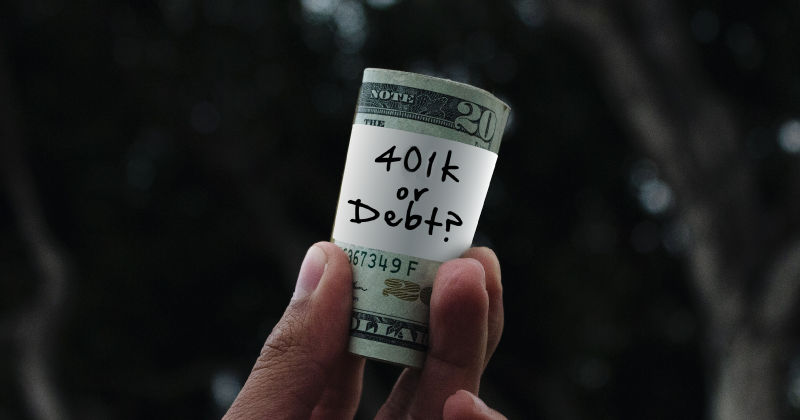
Credit card debt left unchecked can significantly hamper your efforts toward securing a comfortable retirement. Instead of contributing to your 401(k), you end up forking out precious dollars toward interest payments on revolving credit lines each month. Having an actionable debt pay-down plan can make the difference between a relaxing retirement and feeling the pinch. Here are some strategies to help put credit card debt in your rearview mirror.
Put on the brakes. The first step to getting out from under is avoiding running up your balances even further. So do all you can to rework your budget and avoid making new credit card purchases if possible. Otherwise it can be like trying to bail out a boat without plugging the leak first. Whether that means temporarily downgrading your streaming services, planning a staycation instead of a pricey vacation or cutting back on eating out and cooking at home more often, consider all your options for squeezing out a few more dollars from your monthly budget to put toward paying down your credit cards. Making some sacrifices for a limited time may be well worth the peace of mind you gain in return.
Create an avalanche. With this debt pay-down method, you start by putting any extra funds each month toward paying off your highest interest credit card first, while continuing to make the minimum payments on all the rest. Once that card is paid off, you move on to the one with the next highest interest rate, then the third highest interest rate and so on — until all your balances are paid off. This method will save you more money than starting with the smallest card balance and working your way up to the largest.
Request a rate reduction. This can be very worthwhile, especially if you’re carrying higher-interest credit card debt. You can call the customer service number on the back of your card, speak to a representative and request a rate reduction. While there’s no guarantee that they will oblige, it can work, potentially saving you a significant amount of money over the life of the loan and help you get out of debt faster. Mentioning any lower interest rate offers you’ve received in the mail might provide an added incentive for your creditor to work with you.
Tap home equity. If you have a home equity line of credit (HELOC) with a lower interest rate than you’re currently paying on your credit cards, it could make sense to use this as a vehicle to consolidate debt and pay it off while saving on interest payments. However, you can incur significant fees when you take out a HELOC, and interest rates are often variable, so be mindful of how much your rate might change over time.
Transfer your balances. If you receive 0% APR credit card offers in the mail, you might consider transferring your higher interest balances to one of them for the duration of the promotional rate. Just be aware of any additional fees that you’ll incur and be mindful of when the introductory rate ends and the new, higher interest rate starts (or transfer to another 0% offer at that time, if possible). Also, keep in mind that taking out additional credit cards can negatively impact your credit score.
Credit card debt can loom over your head for years, hindering your efforts to invest and prepare for your retirement. Like a weight around your neck, consumer debt can greatly compromise your financial security during retirement. Meeting with your financial advisor to determine the best pay-down strategy for your specific situation can be a smart step toward making your retirement years your best ones yet.