Those sensuous, shiny bubbles of sheet metal are seductive. They can also be dangerous to your financial health.
It’s easy enough to get a new car with little or no money down. The allure of the sign-and-drive lease is powerful, especially when the prize is a sizzling red sports car, or, for some, a van big enough that no one has to sit on anyone else’s lap. The master marketers of Detroit and Tokyo can charm your wallet right out of your jeans pocket — with negative consequences for your financial goals: The principal and interest on a car loan (and payments to lease a car you don’t own) could compromise your ability to save for retirement.
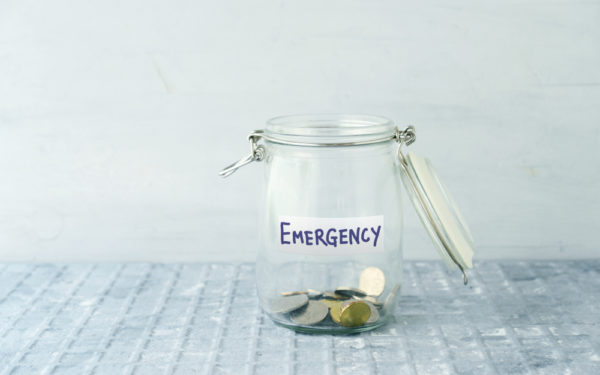
The worst way to shop for a car is without any cash in hand. That puts you at the mercy of the dealership finance department. Instead, save money for a substantial down payment, about 20% if you can.[1]
If you’re seriously shopping, you’ve already done your homework on the car and how much it should cost. If you have enough savings to put 20% down, go ahead and buy when the time — and the deal — are right. Don’t neglect maintenance costs. Save enough to cover the down payment and any expected repairs in the first few years of ownership.
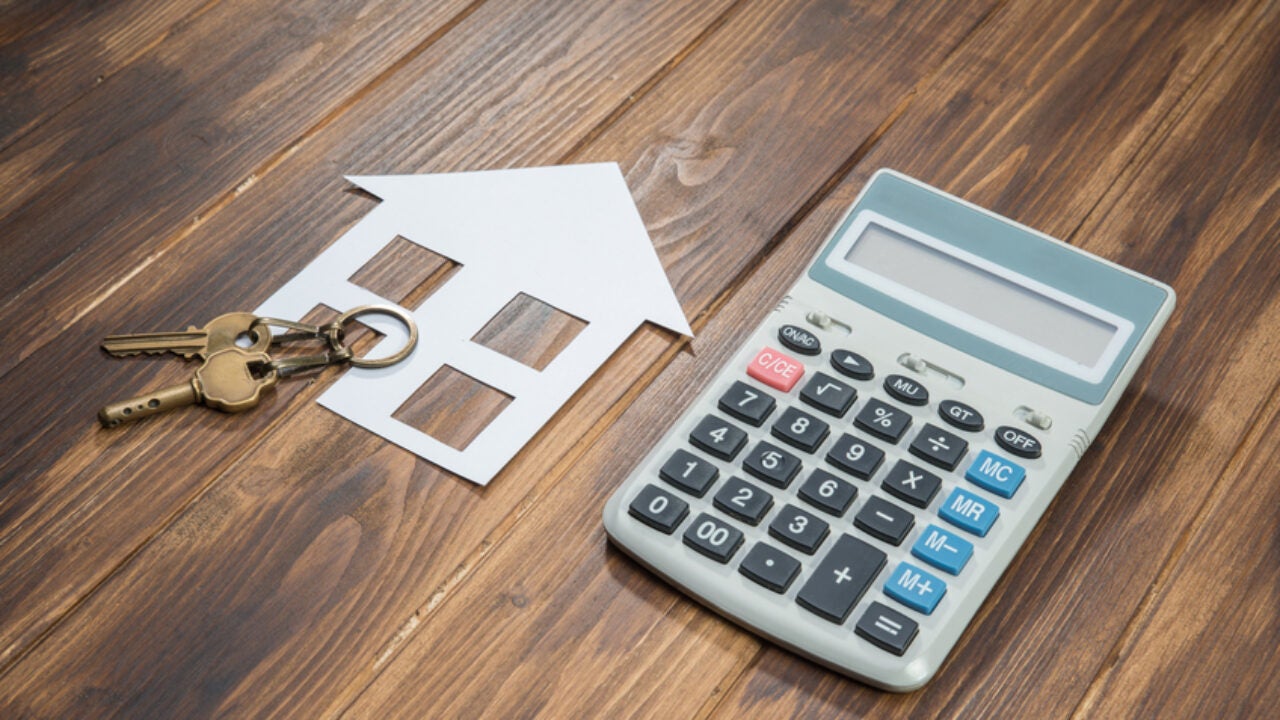
The average out-the-door price of a car in 2019 was about $37,000, putting that 20% down at $7,400. The least-expensive new car in the U.S. averaged $16,888, yielding a more manageable down payment of $3,377.[2] Even if you can’t get to the full 20%, the more you put down, the better deal you’re likely to get. For example, if you could get better terms on your loan, then the monthly payment will be lower, and you’ll pay less in total. You’ll also have more equity in the car should you decide to sell it.
Here are some ways to get your bankroll rolling:
- Find the car you want, track down the actual prices that buyers are paying in your region, and then figure out your down payment.
- How quickly do you need to buy? If you can keep driving your current car, that can lengthen your time to save and make it easier to achieve the goal.
- Look at your household budget for easy savings. How many times a month do you pick up fast food on the way home instead of cooking at home?
- What will you get for your current car? In most cases, you’re going to get more for your car through a private sale than what you will by trading it in.
- Would your boss consider letting you telecommute a few days a week? Not only will that reduce wear and tear on the car you want to sell, but you’ll also likely save on gas, lunch and coffee too.
If you need extra motivation, talk to your financial advisor. The money you save when you make a good deal on a car can multiply considerably over time when you use that savings to invest now for retirement.