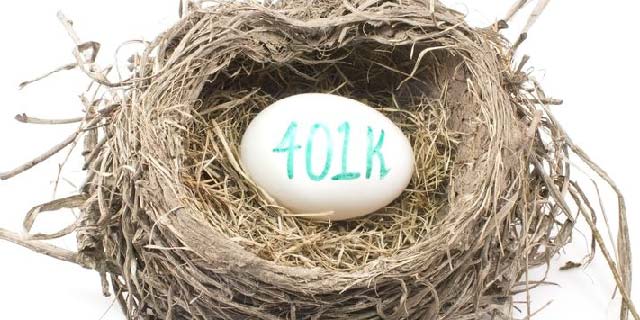
A “distribution” occurs when you withdraw funds from your 401(k) account. You can transfer these funds to another 401(k) or an Individual Retirement Account (IRA). Or you may use them to finance your retirement or some other life goal.
New 401(k) Rules for the New Normal
While withdrawals from Roth 401(k) accounts are tax free, distributions from traditional 401(k)s are taxable. Additionally, distributions taken before age 59½ usually come with a hefty 10% tax in the form of an early withdrawal penalty. Required Minimum Distributions (RMDs) are mandatory once you reach age 72 (if your reach age 70½ in 2020 or later — although if you are still working for the company who sponsors your 401(k), you may be exempt. However, the IRS loosened some regulations governing early withdrawals, loans and RMDs from your 401(k) due to the COVID-19 crisis.
With the enactment of the CARES Act, RMDs for 2020 are suspended. If you don’t need to take that distribution, you can leave your money in the account and let it continue to grow — and avoid the additional tax you’d owe on those distributions.
As stated earlier, if you withdraw money from your 401(k) before age 59½, in most circumstances you’ll pay both the tax due on the money withdrawn plus a 10% penalty. However, the CARES Act provides that if you need to take money from your 401(k) because of specific virus-related impacts, you’re allowed to take up to $100,000 without paying the early withdrawal penalty.
According to the IRS, you may qualify if:
- You are diagnosed with the virus SARS-CoV-2 or with coronavirus disease 2019 (COVID-19) by a test approved by the Centers for Disease Control and Prevention;
- Your spouse or dependent is diagnosed with SARS-CoV-2 or with COVID-19 by a test approved by the Centers for Disease Control and Prevention;
- You experience adverse financial consequences as a result of being quarantined, being furloughed or laid off, or having work hours reduced due to SARS-CoV-2 or COVID-19;
- You experience adverse financial consequences as a result of being unable to work due to lack of child care due to SARS-CoV-2 or COVID-19; or
- You experience adverse financial consequences as a result of closing or reducing hours of a business that you own or operate due to SARS-CoV-2 or COVID-19.
If you pay the money back to a qualified retirement account (including an IRA) within three years, you’ll owe no tax. Otherwise, you’ll have three years to pay any taxes owed. Using the coronavirus exemption may allow you to tap your 401(k) up to $100,000, use it for your current needs tax free and then pay that money back to yourself.
Don’t Go It Alone
Be aware that the rules that govern 401(k) accounts are extremely complex and subject to change. Make an appointment with your financial advisor to discuss strategies to maximize your investment returns to meet current and future needs — while minimizing your tax liability. And before venturing into any advanced tax strategies, it’s wise to also get help from a qualified tax advisor. It’s your money, and there’s nothing wrong with trying to keep as much of it as you’re allowed to.
Sources
https://www.investopedia.com/ask/answers/101314/how-do-you-withdraw-money-your-401k.asp
https://www.irs.gov/retirement-plans/retirement-plans-faqs-regarding-required-minimum-distributions
https://www.investopedia.com/articles/personal-finance/062615/10-little-known-ways-reduce-your-401k-taxes.asp
https://www.sec.gov/oiea/investor-alerts-and-bulletins/covid-19-related-early-withdrawals-retirement-accounts-be
https://www.irs.gov/newsroom/coronavirus-related-relief-for-retirement-plans-and-iras-questions-and-answers